


ALICE IN THE LABOR FORCE
According to the Bureau of Labor Statistics, from 2010 to 2024, the number of workers in South Carolina grew from 1,746,820 to 2,271,770. Most recently, from January to December 2024, the state gained 48,820 workers. During the same period, the unemployment rate increased — from 3.4% to 4.2%. These rates were higher than the pre-pandemic rate (2.8% in January 2020).
South Carolina workers face a range of ongoing challenges. The workplace continues to evolve with the incorporation of new technologies, including AI, and the shift to more precarious work arrangements, such as many part-time jobs and hourly employment. These arrangements make it easier for employers to reduce work hours or cut employment altogether when new technology is adopted, the economy ebbs, or financial priorities change. In addition, with the costs of basics increasing, many jobs in South Carolina do not pay enough to provide financial stability in 2024. In South Carolina:
- 44% of full-time workers did not earn enough to afford the ALICE Household Survival Budget for one adult and one school-age child.
- Unlike workers in many other states, minimum-wage workers in South Carolina did not see an increase in wages in 2024. The state minimum wage remained the same as the federal ($7.25 per hour), unchanged since 2009.
- A wage of $20 per hour was not enough to support the ALICE Household Survival Budget for one adult and one school-age child in 74% of South Carolina counties. (See the ALICE Wage Tool.)
Data on financial hardship among South Carolina workers shows variations in three cross-cutting areas: industry sector, occupation, and work arrangements.
Industry sector: There are workers below the ALICE Threshold across all industry sectors in South Carolina. Among the 10 largest industry sectors, the percentage of workers living in households below the ALICE Threshold varied from 12% in Professional Scientific and Technical Services to 43% in Accommodation and Food Services.
Rates of Financial Hardship Vary by Industry Sector
Industry Sector Employment by ALICE Status, South Carolina, 2024
| Industry Sector | Total Workers |
Poverty
ALICE
Above ALICE Threshold
|
|---|---|---|
| Health Care and Social Assistance | 336,163 | |
| Manufacturing | 328,122 | |
| Retail Trade | 292,437 | |
| Educational Services | 231,653 | |
| Construction | 193,591 | |
| Professional Scientific and Technical Services | 191,008 | |
| Accommodation and Food Services | 181,951 | |
| Other Services Except Public Administration | 134,423 | |
| Administrative and Support and Waste Management and Remediation Services | 122,990 | |
| Transportation and Warehousing | 117,538 | |
| Finance and Insurance | 111,629 | |
| Public Administration | 101,480 | |
| Real Estate and Rental and Leasing | 49,056 | |
| Wholesale Trade | 47,907 | |
| Arts Entertainment and Recreation | 44,576 | |
| Information | 40,526 | |
| Utilities | 32,271 | |
| Agriculture Forestry Fishing and Hunting | 17,598 | |
Note: This table includes wages of full-time workers residing in South Carolina with income from occupations in the listed sectors. Wages include tips. ALICE Threshold status is determined by comparing workers' total household income to the ALICE Household Survival Budget for their household composition and location.
Sources: ALICE Threshold, 2024; U.S. Census Bureau, American Community Survey, 2024

Common occupations (jobs): Many common jobs exist across industry sectors — for example, Customer Service Representatives work in Health Care, Retail Trade, and other fields — so it is also important to look at financial hardship by occupation.
A Large Share of Workers in the 20 Most Common Occupations are Below the ALICE Threshold
Labor Characteristics, Most Common Occupations, South Carolina, 2024
| Most Common Occupations | Total Workers in Occupation Residing in South Carolina | Percent of Workers Below ALICE Threshold | Median Hourly Wage |
|---|---|---|---|
| Driver/Sales Workers and Truck Drivers | 58,451 | 25% | $24.41 |
| Registered Nurses | 58,143 | 6% | $36.61 |
| Cashiers | 57,144 | 50% | $14.64 |
| Retail Salespersons | 55,725 | 32% | $23.43 |
| Elementary and Middle School Teachers | 53,731 | 15% | $24.89 |
| First-Line Supervisors of Retail Sales Workers | 49,700 | 26% | $21.96 |
| Customer Service Representatives | 43,817 | 27% | $19.52 |
| Laborers and Freight, Stock, and Material Movers, Hand | 42,151 | 36% | $17.08 |
| Janitors and Building Cleaners | 37,812 | 44% | $16.11 |
| Miscellaneous Production Workers, Including Equipment Operators and Tenders | 34,605 | 34% | $21.96 |
| Cooks | 33,780 | 51% | $13.67 |
| Waiters and Waitresses | 32,801 | 49% | $14.64 |
| Secretaries and Administrative Assistants, Except Legal, Medical, and Executive | 32,589 | 23% | $19.04 |
| Stockers and Order Fillers | 30,508 | 40% | $16.25 |
| Construction Laborers | 29,386 | 40% | $16.01 |
| Chief Executives and Legislators | 27,964 | 1% | $82.00 |
| Accountants and Auditors | 27,420 | 14% | $39.05 |
| Other Assemblers and Fabricators | 26,886 | 33% | $19.52 |
| General and Operations Managers | 24,585 | 4% | $36.61 |
| Financial Managers | 22,102 | 5% | $41.49 |
Note: This table includes wages of full-time workers residing in South Carolina with income from these occupations. Wages include tips. ALICE Threshold status is determined by comparing workers' total household income to the ALICE Household Survival Budget for their household composition and location. Prior iterations of this table used data from the Bureau of Labor Statistics and are not directly comparable.
Sources: ALICE Threshold, 2024; U.S. Census Bureau, American Community Survey, PUMS, 2024
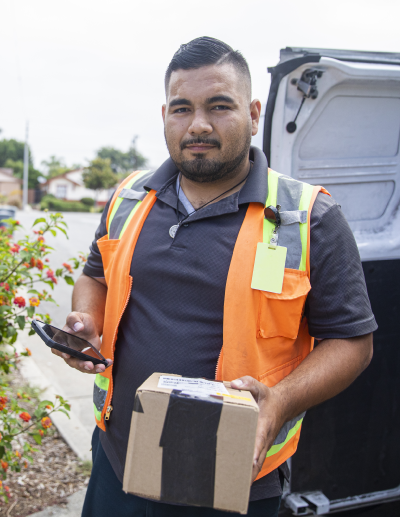
Work arrangements: In 2024 in South Carolina, 71% of people in the labor force worked full-time (35+ hours per week, for 50+ weeks). Yet only about 40% of employed people (age 16+) had the security of a salaried, full-time job. The rest relied on non-standard work arrangements — typically hourly paid work from one or multiple jobs (including part-time and gig work). Hourly and part-time workers are more likely to have fluctuations in income due to schedule changes and variable hours and they are less likely to receive benefits, such as health insurance, paid time off, family leave, or retirement plans.
In South Carolina in 2024, of people in the labor force, 25% worked part time (compared to 26% nationally). Part-time workers were much more likely to be below the ALICE Threshold than full-time workers (39% vs. 19%).
In addition, 39% of people in South Carolina (age 16+) were out of the labor force (not working or looking for work in the past four weeks), compared to 36% nationally. This included those who were retired (20%) and those who were out of the labor force for other reasons, such as disability, health issues, caregiving responsibilities, or student status (19%).